A story about memory
In the mid-20th century, three individuals played a significant role in unraveling the mysteries of memory. Their names were Donald Hebb, Brenda Milner, and patient H.M.
Donald Hebb (1904-1985) was a Canadian psychologist who proposed a groundbreaking theory known as Hebbian learning. He suggested that when two neurons are repeatedly activated together, the connection between them strengthens, leading to the formation of memories and learning. This theory laid the foundation for understanding how neural networks functioned in the brain.
Brenda Milner (1918), a neuropsychologist from Canada, was fascinated by Hebb’s theory and sought to explore its implications in real-life patients. In the 1950s, she came across a unique opportunity to study a patient known as H.M. (initials used to protect his identity). H.M. had undergone a surgical procedure to alleviate severe epilepsy, during which a part of his brain called the hippocampus was removed.
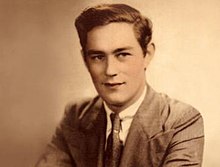
Following surgery, H.M. (1926-2008) experienced a profound and unexpected side effect – he developed severe anterograde amnesia. This meant that he was unable to form new long-term declarative memories, although his short-term memory remained intact. H.M.’s condition intrigued Milner, who saw it as an opportunity to investigate the role of the hippocampus in memory formation.
Over the course of several years, Milner conducted a series of experiments with H.M. to understand the extent of his memory impairment. She discovered that while H.M. couldn’t remember new declarative information, he could still learn new skills and perform tasks that relied on procedural memory. This finding suggested that different types of memory were mediated by distinct brain regions.
Milner’s work with H.M. led to a groundbreaking discovery – the identification of the hippocampus as a crucial structure for the formation of new long-term declarative memories. This finding challenged the prevailing belief that memory was distributed throughout the brain and highlighted the importance of specific brain regions in distinct memory processes.
The evaluation of declarative memory in neuropsychology assesses an individual’s ability to encode, retain, and retrieve information. Memory encoding, retention and retrieval are interlinked processes that collectively contribute to the formation, storage and retrieval of declarative memories. For identifying the most suitable instruments for a specific assessment, it is best to seek consultation with a qualified neuropsychologist.
https://www.taylorfrancis.com/books/mono/10.4324/9781410612403/organization-behavior-hebb